

For individuals managing mental health conditions such as depression, anxiety, ADHD, or bipolar disorder, the trial-and-error process of finding effective psychiatric medications is often challenging. Patients frequently experience adverse side effects, medication resistance, and prolonged waiting periods to determine treatment efficacy.
GeneSight testing provides a scientifically advanced, personalized approach to psychiatric medication management. As a comprehensive pharmacogenomic test, it utilizes an individual’s DNA to evaluate how their body is likely to respond to specific mental health medications. Specifically, the GeneSight Psychotropic test analyzes genetic variations that influence drug metabolism and pharmacodynamic interactions within the body.
While this pharmacogenomic test does not replace comprehensive clinical evaluation, it functions as a vital diagnostic tool to reduce prescribing guesswork, minimize potential side effects, and accelerate the path to effective relief. When integrated with professional clinical judgment, psychological therapy, and a patient’s medical history, GeneSight testing empowers healthcare providers to make data-driven, informed prescribing decisions for optimized mental health outcomes.
Understanding Pharmacogenomics: The Science Behind GeneSight
What Is Pharmacogenomics?
Pharmacogenomics is the study of how genetic differences influence an individual’s response to medication. It focuses on the relationship between genes and drug response, helping healthcare providers make more informed treatment decisions. In clinical practice, pharmacogenomics is especially valuable because it can explain why one person responds well to a medication while another experiences limited benefit or significant side effects.
Pharmacogenomics generally includes two core areas:
- Pharmacokinetics: This refers to how the body processes a medication through absorption, distribution, metabolism, and elimination. Certain genes help regulate drug-metabolizing enzymes, including those in the CYP enzyme family. Genetic variations can affect how quickly or slowly a person breaks down a medication. For example, a poor metabolizer may process a drug too slowly, which can increase the risk of side effects. An ultra-rapid metabolizer may clear the drug too quickly, which can reduce its effectiveness.
- Pharmacodynamics: This refers to how a medication affects the body, including how it interacts with receptors and biological pathways. These genetic differences can influence how strongly a medication works and how well it targets specific symptoms.
Why Pharmacogenomics Matters in Mental Health
Pharmacogenomics in mental health has become increasingly important because psychiatric medications often produce different results from one patient to another. Antidepressants, antipsychotics, mood stabilizers, and ADHD medications may take several weeks to reach full therapeutic effect. During that time, patients may experience ongoing symptoms, unwanted side effects, or the need for medication changes.
Traditional prescribing often relies on population averages, trial and error, and clinical observation. While this approach remains common, it can extend the time required to find an effective treatment. Pharmacogenomic testing offers an additional layer of insight by identifying genetic factors that may influence medication selection, dosing, and tolerability.
How GeneSight Fits Into Pharmacogenomic Testing
The GeneSight Psychotropic test is a pharmacogenomic testing tool designed to support medication decision-making in psychiatry. It uses a proprietary weighted multi-gene approach to analyze variations in approximately 14 genes, including genes related to both pharmacokinetics and pharmacodynamics.
Based on these genetic markers, the GeneSight test evaluates more than 60 commonly prescribed mental health medications. These include:
- Antidepressants
- Antipsychotics
- Mood stabilizers
- ADHD medications
- Anxiolytics and other psychotropic drugs
This broader analysis helps clinicians better understand how a patient’s genetic profile may affect medication metabolism and response.
What Makes GeneSight Different?
Unlike single-gene tests, GeneSight considers multiple genetic factors together to provide a more comprehensive assessment. This multi-gene methodology may offer a more complete view of how different medications interact with a patient’s genetic makeup.
Research suggests that evaluating several genes at once can improve the prediction of medication blood levels and treatment outcomes for certain psychiatric drugs. By combining data from multiple gene variants, GeneSight aims to provide clinically relevant insights that support more personalized mental health treatment.
The Role of GeneSight in Personalized Psychiatry
As interest in personalized medicine continues to grow, tools like GeneSight are becoming more relevant in behavioral health care. Pharmacogenomic testing does not replace clinical judgment, but it can serve as a valuable resource when selecting or adjusting psychiatric medications.
For patients who have experienced side effects, poor treatment response, or repeated medication changes, GeneSight pharmacogenomic testing may help guide a more targeted approach. By aligning treatment decisions with genetic information, healthcare providers may be better equipped to reduce trial and error and improve the overall treatment experience.
How the GeneSight Testing Process Works: A Step-by-Step Guide
- Clinical Consultation
The GeneSight testing process begins with a professional consultation. A qualified healthcare provider, such as a psychiatrist, primary care physician, or psychiatric nurse practitioner, will evaluate your medical history to determine if pharmacogenomic testing is appropriate. Please note that the GeneSight test is only available through a prescription and cannot be purchased directly by consumers.
- DNA Sample Collection
Sample collection is conducted via a straightforward, non-invasive cheek swab. This step can be performed either in a clinical setting or at home using a prescribed collection kit.
- Laboratory Analysis
Once collected, the DNA sample is securely shipped to a specialized clinical laboratory. There, technicians conduct a comprehensive DNA analysis to evaluate your genetic profile.
- Delivery of Results
The processed results are typically generated within one to two weeks, and occasionally sooner. A detailed, clinician-friendly report is then sent directly to your healthcare provider for review and implementation into your treatment plan.
Understanding the GeneSight Test Report
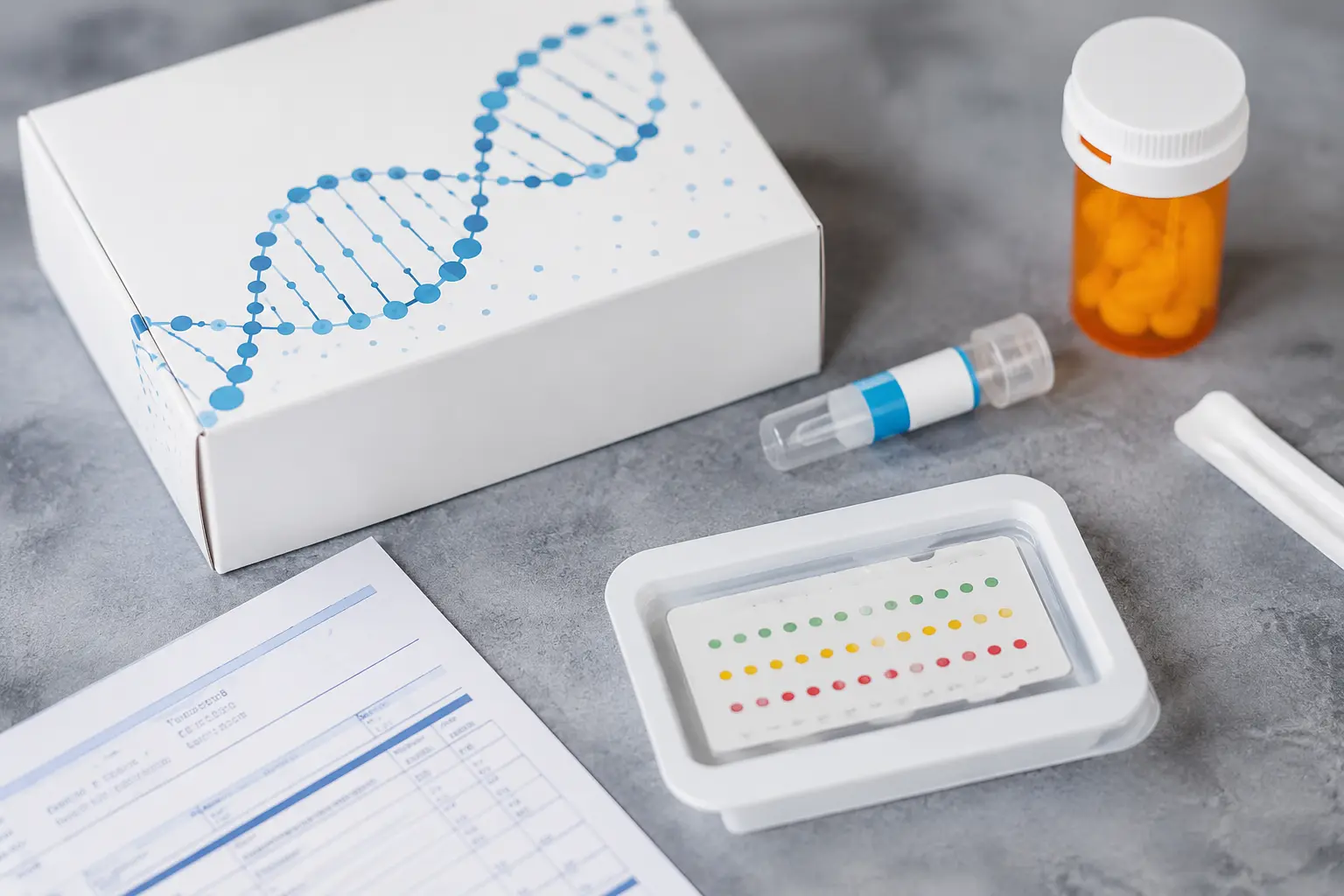
The GeneSight report utilizes a clear, color-coded system to categorize psychiatric medications based on your unique genetic profile:
- Green (“Use as Directed”): Medications in this category are expected to yield a normal response, indicating no known genetic barriers to efficacy.
- Yellow (“Use with Caution” / Moderate Gene-Drug Interaction): These medications demonstrate a moderate gene-drug interaction. Patients may require dosage adjustments, increased clinical monitoring, or may experience reduced medication efficacy.
- Red (“Significant Gene-Drug Interaction”): Medications categorized as red carry a higher probability of adverse side effects, significantly reduced efficacy, or the need for substantial dosage modifications.
The report also provides critical insights regarding optimal dosing and potential medication inefficiencies. However, it is important to recognize the test’s clinical limitations: the analysis does not account for all potential drug-drug interactions, environmental variables, or non-genetic lifestyle factors.
Genes and Psychiatric Medications Analyzed by GeneSight
The GeneSight test comprehensively analyzes critical genetic markers, with a primary focus on CYP enzymes (such as CYP2D6, CYP2C19, and CYP3A4) responsible for drug metabolism, alongside other genes integral to pharmacological response.
The analysis evaluates major classes of psychiatric medications, including:
- Antidepressants (including SSRIs, SNRIs, and tricyclics)
- Antipsychotics
- Mood stabilizers
- ADHD medications (both stimulants and non-stimulants)
- Anxiolytics
This extensive coverage renders the GeneSight test an invaluable diagnostic tool for optimizing complex psychiatric care and personalizing mental health treatment.
Who Can Benefit from GeneSight Testing for Mental Health?
GeneSight testing provides valuable clinical insights for individuals who have experienced adverse side effects or suboptimal results from multiple psychiatric medications. Additionally, this type of pharmacogenomic testing serves as a beneficial resource for patients initiating treatment who possess a family history of variable medication responses or complex psychiatric conditions. While healthcare providers generally do not utilize it as a primary diagnostic tool for the general population, GeneSight testing functions as a highly effective, targeted intervention for treatment-resistant cases.
Mental Health Conditions Managed with GeneSight Testing
Genetic testing for medication response can assist in managing a variety of clinical diagnoses, including:
- Major depressive disorder, particularly treatment-resistant depression.
- Anxiety disorders.
- Attention-deficit/hyperactivity disorder (ADHD).
- Bipolar disorder.
- Post-traumatic stress disorder (PTSD) and related psychiatric conditions.
Clinical Recommendation: If you have undergone two or more unsuccessful medication trials, consult your healthcare provider to determine whether GeneSight genetic testing can optimize your psychiatric treatment plan.
The Clinical Benefits of GeneSight Testing
For patients and healthcare providers navigating psychiatric medication management, pharmacogenomic testing offers significant clinical advantages. The primary reported benefits of GeneSight testing include:
- Accelerated symptom relief: Minimizing the traditional trial-and-error approach to medication selection can significantly expedite patient recovery and symptom improvement.
- Mitigated adverse effects: Utilizing genetic insights assists clinicians in avoiding medications that carry a high risk of adverse side effects for the individual patient.
- Economic efficiency: Research indicates that optimized prescribing practices can yield substantial financial benefits, with one study demonstrating average annual medication cost savings exceeding $1,000 per patient.
- Patient empowerment: Access to personalized genetic data fosters highly informed, collaborative healthcare decisions between patients and their providers.
- Enhanced clinical confidence: Medical professionals benefit from objective, scientific data to guide evidence-based prescribing practices.
GeneSight Clinical Research and Efficacy
Comprehensive clinical research, including the landmark GUIDED trial and various meta-analyses, demonstrates the efficacy of GeneSight-guided care. These studies indicate significant improvements in response and remission rates for conditions such as major depressive disorder when compared to standard treatment protocols, frequently revealing 30% to 41% higher odds of positive patient outcomes.
While the current data strongly support the utility of pharmacogenomic testing, outcomes can vary across individual studies, and certain medical organizations advocate for continued research. Ultimately, GeneSight testing is a highly promising clinical tool designed to complement—rather than replace—comprehensive psychiatric evaluation and individualized patient care.
Limitations and Important Considerations
Genetic factors are only one part of a much broader clinical picture. Lifestyle, environmental influences, coexisting health conditions, treatment adherence, and potential drug interactions can all significantly affect outcomes. For this reason, genetic insights should be evaluated alongside other medical and personal factors.
Key considerations include:
- Guideline support varies: Not all clinical guidelines recommend routine use, and some organizations still consider certain applications experimental.
- Cost and insurance coverage differ: Out-of-pocket costs often range from $0 to $330, but actual pricing and reimbursement depend on your insurance plan and healthcare provider.
- Genetic privacy matters: While privacy protections are in place, genetic information remains highly sensitive and should be handled with care.
- It is not a substitute for medical care: Genetic testing does not replace therapy, lifestyle modifications, or professional medical advice.
For the most accurate and appropriate use of results, always review them in partnership with your clinician.
What to Expect: Preparing for and After Your GeneSight Test
Understanding what happens before and after a GeneSight test can help you feel more informed and prepared. This pharmacogenomic test is designed to help healthcare providers evaluate how your genes may affect your response to certain medications, particularly those used in mental health treatment.
Before Your GeneSight Test
Before taking the GeneSight test, discuss your complete medical history, current symptoms, and medication use with your healthcare provider. This includes prescription medications, over-the-counter products, supplements, and any previous experiences with treatment side effects or limited effectiveness.
A thorough consultation helps your provider determine whether GeneSight testing is appropriate for your individual needs and treatment goals.
After Receiving Your GeneSight Test Results
Once your GeneSight test results are available, your clinician will review the report with you and explain what the findings may mean for your treatment plan. If appropriate, they may recommend medication adjustments based on the results and your clinical history.
For the best outcomes, GeneSight test results should be considered as one part of a broader care strategy. Ongoing therapy, regular physical activity, quality sleep, balanced nutrition, and strong support systems all play an important role in overall mental health and treatment success.
Practical Tip for Tracking Progress
Keep a symptom journal before and after any treatment changes. Recording symptoms, side effects, mood patterns, sleep, and daily functioning can help you and your provider assess progress more objectively over time.
GeneSight vs. Other Genetic or Pharmacogenomic Tests
When comparing GeneSight to other genetic or pharmacogenomic tests, GeneSight distinguishes itself through its targeted focus on psychotropic medications. Utilizing a proprietary combinatorial (multi-gene) algorithm, the GeneSight test provides a highly clinician-oriented report backed by extensive clinical research. While alternative pharmacogenomic testing options utilize varying genetic panels and methodologies, GeneSight’s specialized emphasis on mental health applications and practical clinical utility establishes it as a premier choice for psychiatric care.
Furthermore, GeneSight testing constitutes a significant advancement in the field of personalized mental health care. For patients experiencing challenges with psychiatric medication trials, consulting a healthcare professional regarding the potential benefits of the GeneSight test is highly recommended. It is important to recognize that comprehensive psychiatric treatment requires a multifaceted approach, and pharmacogenomic testing serves as one highly valuable diagnostic tool within a broader therapeutic strategy.
Frequently Asked Questions (FAQ)
Is GeneSight testing covered by insurance?
Coverage varies. Many patients pay $330 or less; Medicare, Medicaid, and some commercial plans often cover it fully or partially. Your provider or the company can run a cost estimate.
How accurate is the test?
Analytical accuracy is very high (99.8% for genotypes detected). Clinical utility is supported by studies but varies by individual.
Can I order it myself?
No, it must be ordered by a qualified healthcare provider.
Does it work for children/adolescents?
It can be used in younger patients when clinically appropriate, but decisions should involve pediatric specialists.
Will results change over time?
Your genes don’t change, so results are generally stable for a lifetime.
What if my results show many “red” medications?
This is common and doesn’t mean nothing will work. It guides your provider toward better options in the green or yellow categories or with adjustments. Many people still find success.